
AASHTO M249 Thermoplastic Road Marking Paint: What Latin American Buyers Should Check
When sourcing thermoplastic road marking paint from China, buyers in Latin America may encounter suppliers advertising products as "AASHTO M249 compliant." But what does that claim actually mean, and what should a buyer verify before placing an order?
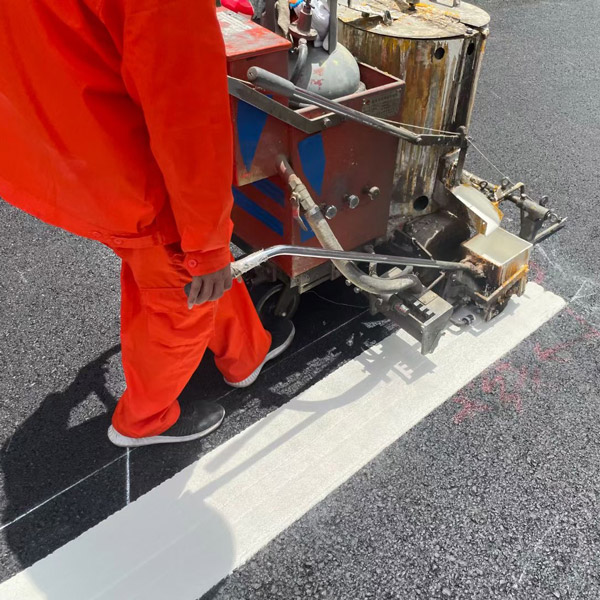
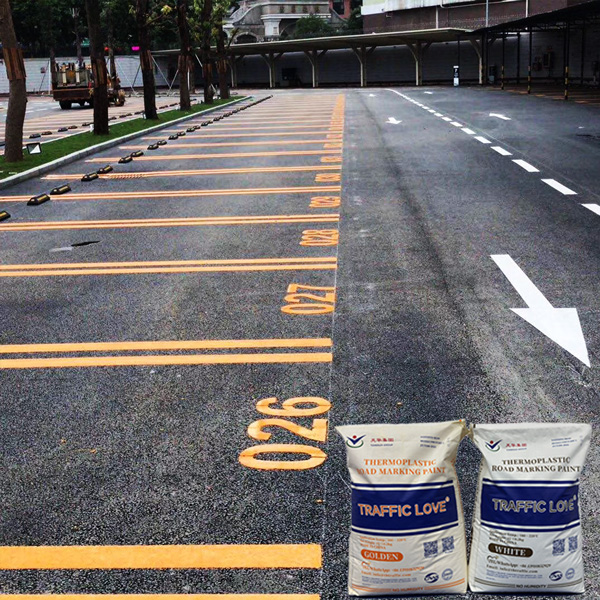
AASHTO M249 is a specification for white and yellow reflective thermoplastic striping material in solid form. The material is heated until molten, applied mechanically to the pavement, and combined with surface-applied glass beads to produce reflective road markings.
For importers, distributors and road construction contractors, the important step is to connect the required specification with actual product documentation, inspection procedures and project requirements. This guide explains what to check before buying AASHTO M249 thermoplastic road marking paint.
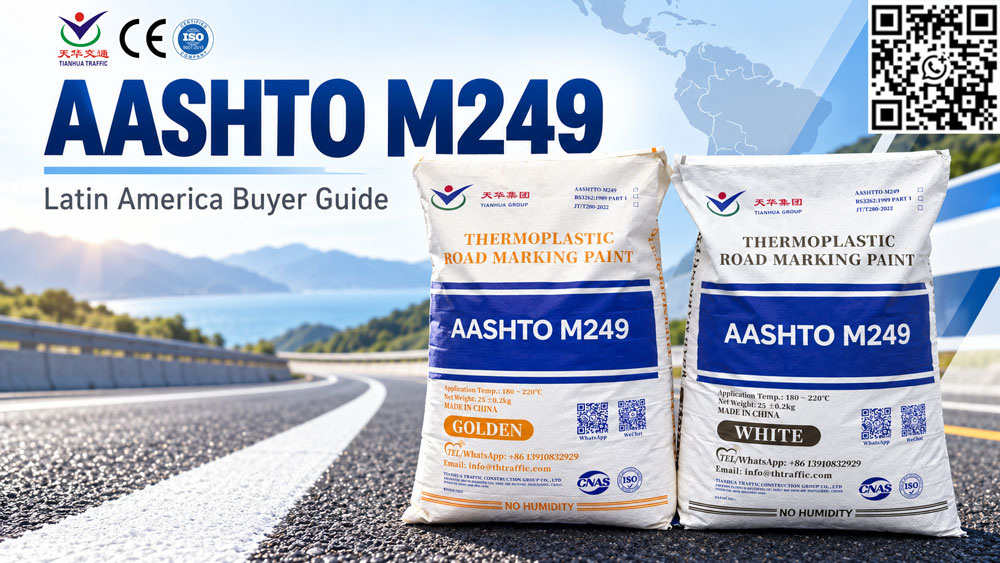
1. Understand What AASHTO M249 Covers
AASHTO M249 is titled "Standard Specification for White and Yellow Reflective Thermoplastic Striping Material (Solid Form)." It addresses thermoplastic pavement marking material that is applied in a molten state and forms an adherent, reflective marking after cooling.
The specification addresses material composition and relevant physical properties. Its purpose is to help define the characteristics expected of the specified pavement marking material, rather than simply describing a color or a generic type of road paint.
Buyers should distinguish between a supplier's product description and evidence that the product meets the specification required by a particular project.
Confirm the required edition
Before requesting quotations, check the exact AASHTO M249 edition referenced in the tender, contract or technical specification. Do not assume that every project uses the same edition or that a supplier's older test report automatically satisfies the current project requirements.
If a project owner has issued additional requirements, those requirements should also be reviewed. A general statement that a product is "M249 type" is not a substitute for checking the complete purchasing specification.
2. Check the Technical Data Sheet and Test Reports
A technical data sheet (TDS) is a useful starting point when evaluating a thermoplastic road marking paint supplier. It should identify the product and provide the relevant technical information needed for comparison.
A TDS alone, however, may not demonstrate that every requirement of AASHTO M249 has been met. Depending on the project, buyers may also need test reports, a manufacturer's declaration, batch records or independent inspection results.
Questions to ask the supplier
- Which edition of AASHTO M249 is the product designed to meet?
- Is the quoted formulation intended for the project's specified application method?
- Can the supplier provide the relevant technical data sheet?
- Are test reports available for the required material properties?
- Do the reports identify the tested product or batch clearly?
- Can production batches be traced to their quality records?
- Is third-party inspection required by the project or contract?
Before accepting a report, check the issuing laboratory, test methods, report date, sample identification and the specific requirements covered. If independent testing is required, agree on the sampling procedure and acceptance criteria before production or shipment.
3. Verify the Binder and Material Composition
Thermoplastic road marking materials contain several components that work together to produce the required application and performance characteristics. These may include binder resins, pigments, fillers, additives and reflective glass beads.
AASHTO M249 identifies requirements for the material composition. The specified binder system and other formulation details should be checked against the applicable edition and project documents.
Buyers should not assume that all thermoplastic formulations are interchangeable. Ask the supplier to identify the proposed binder type and confirm that it is consistent with the project specification.
Why composition matters
Differences in formulation can influence how the material melts, flows, adheres to the pavement and behaves during application. The appropriate product depends on the required specification, application equipment, pavement conditions and intended service environment.
A lower quoted price is not necessarily a better value if the proposed material does not satisfy the project's technical requirements.
4. Check the Glass Beads and Retroreflective Requirements
Glass beads are important to the nighttime visibility of reflective road markings. AASHTO M249 covers the thermoplastic material, while AASHTO M247 is a relevant specification for glass beads used in pavement markings.
Buyers should distinguish between beads incorporated into the thermoplastic material during manufacture and beads applied to the surface during road marking. These serve related but different roles in the marking system.
What to confirm about glass beads
- The bead specification required by the project
- Bead grading and relevant quality characteristics
- The requirements for beads incorporated into the material
- The type and application rate of surface-applied beads
- Compatibility between the paint, beads and application equipment
- Any required test documentation or inspection records
Do not evaluate nighttime visibility based only on the appearance of the dry material in a bag. The performance of the installed marking also depends on application conditions, bead distribution, pavement surface and the requirements of the project.
For a project with specific retroreflectivity criteria, ask the project owner or consultant to identify the required field test method and acceptance values.
5. Verify White and Yellow Color Requirements
White and yellow thermoplastic marking materials have different color requirements. A supplier should identify the product color and provide the relevant technical information required by the applicable specification.
For white material, buyers may need to review the specified brightness or color-related requirements. For yellow material, the relevant color limits and measurement criteria should be checked against the project documents.
A photograph of a product sample cannot reliably establish compliance with a technical color requirement. Lighting, camera settings and screen calibration can change the appearance of an image.
Where color acceptance is important, use the specified measurement or inspection method and agree on the acceptance procedure before production.
6. Review Softening Point, Flow and Other Physical Properties
Thermoplastic road marking material must be heated before application and should behave appropriately during melting and installation. Physical properties are therefore an important part of supplier evaluation.
Depending on the applicable specification, relevant properties may include softening point, flow-related characteristics, color-related measurements and resistance to cracking or impact under specified test conditions.
Buyers should compare the supplier's declared results with the limits in the exact edition of the standard and any additional project requirements. Avoid relying on generic numerical values copied from an unrelated product listing.
Questions for the technical team
- Which physical properties are specified for acceptance?
- What test methods and conditioning procedures apply?
- Do the submitted results fall within the required limits?
- Are the reported values from the quoted formulation?
- Will production batches be subject to further inspection?
The objective is to verify the actual product against a defined standard, not to select a paint based on one isolated technical value.
7. Consider Latin American Climate and Project Conditions
Latin America includes a wide range of climates, elevations, traffic conditions and pavement types. A product suitable for one project may not be the best choice for another.
Buyers should consider the intended application environment and consult the project engineer about any additional requirements for pavement preparation, application temperature, marking thickness and expected service performance.
Relevant factors may include:
- Local ambient and pavement temperatures during application
- Rainfall, humidity and seasonal weather conditions
- Asphalt or concrete pavement and surface condition
- Traffic volume and expected wear
- Required line thickness, width and marking layout
- Application equipment and contractor experience
- Project-specific inspection and performance criteria
Climate alone does not determine whether a product complies with AASHTO M249. The correct approach is to verify specification compliance first, then confirm that the proposed material and application method are suitable for the project.
8. Check Compatibility with Thermoplastic Road Marking Machines
Even a technically suitable material needs to be applied using an appropriate process. Buyers sourcing paint and equipment together should discuss compatibility before placing an order.
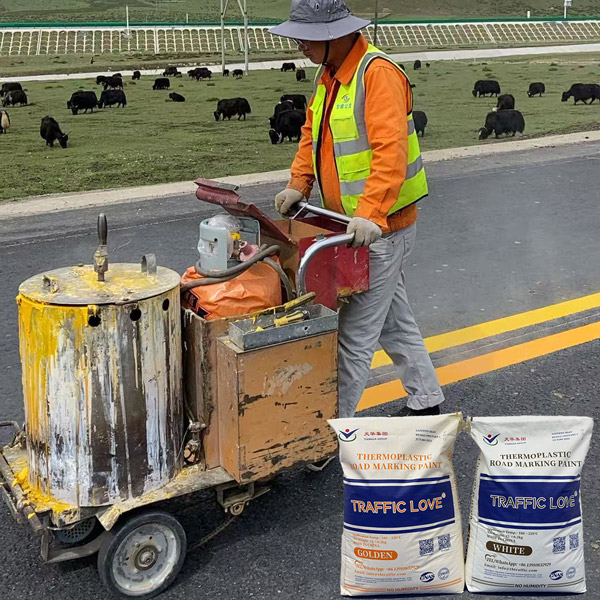
The selection of a road marking machine depends on the required line width, marking method, application capacity and project workload. A compatible preheater or melting kettle must also be selected for preparing the material.
Ask the supplier to confirm the recommended heating and application procedures, machine configuration, fuel requirements, spare parts and operating instructions.
Explore thermoplastic road marking paint and road marking machine options when preparing your purchasing list.
9. Compare Suppliers Using the Same Requirements
When comparing Chinese suppliers, send the same technical requirements to each company. Otherwise, a price comparison may be misleading because the quotations may cover different formulations, documentation or delivery terms.
A useful supplier evaluation should consider:
- Compliance with the specified edition of AASHTO M249
- Availability and traceability of technical documents
- Product consistency and batch inspection arrangements
- Manufacturing capability and production lead time
- Packaging, storage and transport arrangements
- Technical support and equipment compatibility
- Commercial terms and total landed cost
- Communication and export documentation support
A supplier's factory visit, sample review or independent inspection may provide additional information, but each should be assessed according to the buyer's project requirements.
For importers buying several related products, a supplier that can coordinate paint, glass beads and compatible equipment may simplify purchasing. Technical compliance and product suitability must still be checked for each item in the order.
10. Prepare a Clear Purchase Specification Before Ordering
Before confirming an order, prepare a written specification that identifies the material, quantity, color, applicable standard and required documentation.
Depending on the project, the purchasing specification may also cover packaging, batch identification, sampling, inspection, acceptance criteria and delivery arrangements.
The contract should clearly distinguish between a manufacturer's general product declaration and any specific inspection or test evidence required for the shipment.
If independent testing is required, agree on the laboratory, sampling method, test methods and responsibility for costs before production. This helps reduce disagreements after the goods have been manufactured or shipped.
Frequently Asked Questions About AASHTO M249 Thermoplastic Paint
What is AASHTO M249?
AASHTO M249 is a specification for white and yellow reflective thermoplastic striping material in solid form. It addresses material requirements for thermoplastic pavement markings applied in a molten state.
Does AASHTO M249 cover glass beads separately?
M249 addresses the thermoplastic material and its reflective marking application. AASHTO M247 is a relevant separate specification for glass beads used in pavement markings. Buyers should confirm the exact requirements in their project documents.
Is a technical data sheet enough to prove compliance?
Not necessarily. A TDS provides useful product information, but a project may require test reports, a manufacturer's declaration, batch records or independent inspection. The required evidence should be confirmed before ordering.
Should Latin American buyers request samples?
A sample can help buyers review product appearance, packaging and handling. However, a sample alone does not prove compliance with every requirement. Use the specified test and inspection procedures where formal acceptance is required.
Can thermoplastic paint and road marking machines be purchased together?
Yes. Buyers can request a combined quotation for thermoplastic paint, glass beads, road marking machines and compatible preheaters. The proposed material and equipment configuration should be reviewed against the project's application requirements.
Source Thermoplastic Road Marking Paint with Clear Technical Requirements
Selecting AASHTO M249 thermoplastic road marking paint should begin with the project specification, not just a product name or a price per ton. Confirm the applicable edition, request relevant documentation, check the glass bead requirements and agree on the inspection process before placing an order.
Tianhua Traffic Group supplies road marking materials and equipment for international procurement. Buyers can submit their required standard, color, quantity, project application and destination to discuss suitable product options and quotation arrangements.
Planning a road marking project in Latin America? Contact Tianhua Traffic Group to discuss your thermoplastic road marking paint and equipment requirements.