
How to Import Road Marking Paint and Machines from China to Venezuela
Importing road marking paint and machines from China to Venezuela requires more than finding a supplier with a competitive price. Buyers need to select the right materials, confirm technical specifications, evaluate manufacturing capabilities, prepare shipping documents and coordinate customs clearance before the goods arrive.
For Venezuelan road construction contractors, traffic safety distributors and infrastructure project suppliers, working with a manufacturer that understands both road marking products and international trade can simplify the purchasing process. This guide explains the main steps, from preparing a purchasing list to arranging shipment from China.
1. Identify the Road Marking Products You Need to Import
Before contacting Chinese suppliers, prepare a purchasing list based on your project, distribution business or planned inventory. A clear list helps suppliers recommend suitable products and prepare a more accurate quotation.
Depending on the project, a road marking procurement package may include the following categories.
Thermoplastic road marking paint
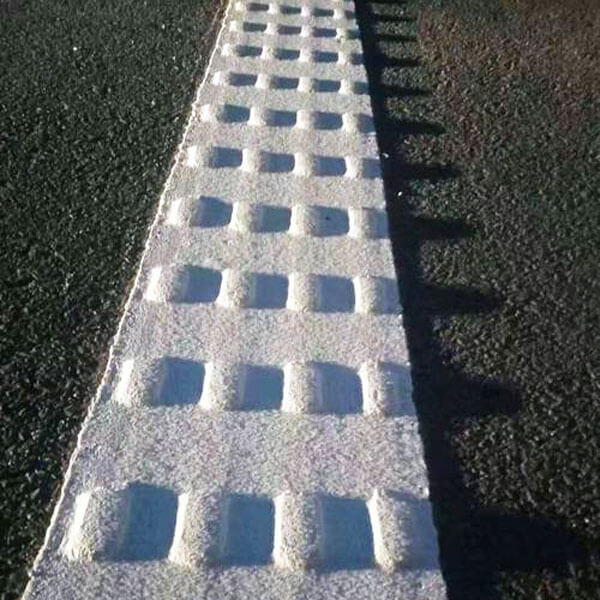
Thermoplastic paint is commonly used for highway markings, urban roads, intersections and other applications where hot-applied pavement markings are required. It is heated, mixed and applied in a molten state using compatible equipment.
Specify the required colors, applicable technical standard, packaging, expected consumption and project application. White and yellow are common choices, but the final requirements should follow the project's approved specifications.
Explore Tianhua's thermoplastic road marking paint for product information and quotation discussions.
Glass beads for road markings
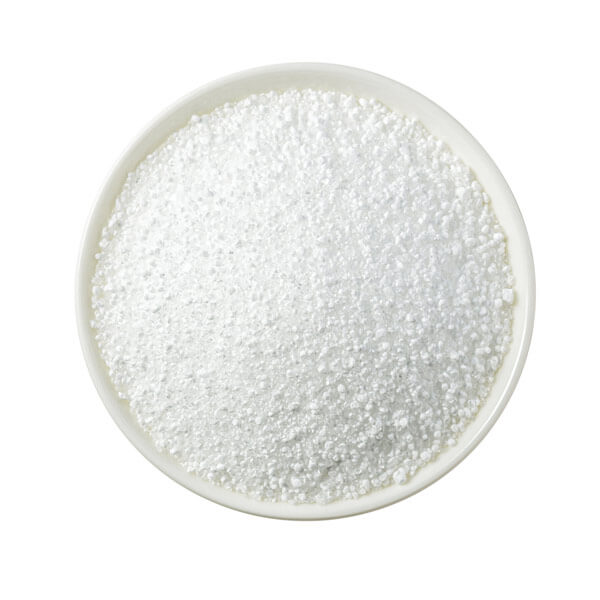
Glass beads contribute to the retroreflective performance of road markings. Buyers should specify the required bead grading, quality requirements, application method and whether beads are to be intermixed with the paint, applied on top of the marking, or used in both ways.
The paint and bead specifications should be reviewed together so that the proposed materials are suitable for the intended marking system.
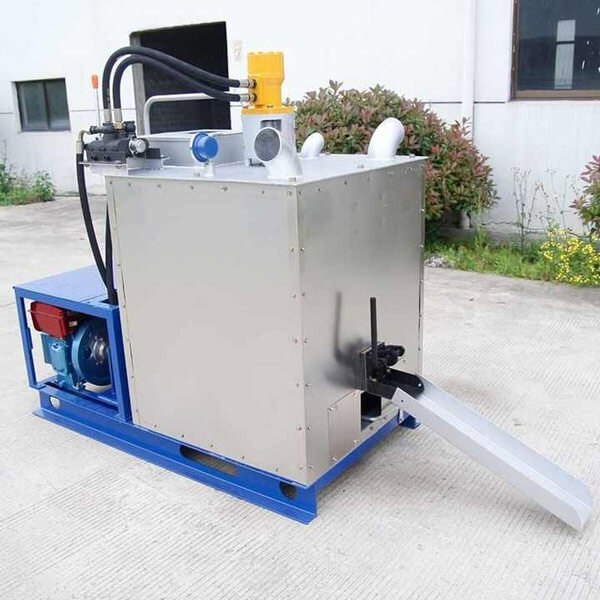
Thermoplastic road marking machines and preheaters
A thermoplastic road marking machine applies molten material to the pavement. A preheater, also commonly called a thermoplastic melting kettle, prepares the material before application.
When requesting a quotation, confirm the required marking width, line configuration, output capacity, heating system, fuel type, operating method and expected daily workload. Ask the supplier to explain which preheater and marking machine configurations are compatible.
See road marking machines from Tianhua Traffic for available equipment categories.
Cold paint marking machines
Cold paint marking machines are designed for suitable cold-applied road marking coatings. The appropriate configuration depends on the coating's properties, application method and project requirements.
Buyers should confirm whether the project requires airless spraying, conventional spraying or another application system before selecting equipment.
Road studs and other traffic safety products
Reflective road studs, traffic signs, reflective sheeting and traffic signals may also be included in a road infrastructure purchasing plan.
Consolidating compatible product categories into one inquiry can reduce the number of separate supplier discussions. However, each product must still have its own clear specifications and shipping details.
2. Confirm Technical Standards Before Comparing Prices
One of the most important steps when importing road marking paint is confirming the required technical standard before asking suppliers to quote.
For example, a project may specify AASHTO M249 for thermoplastic pavement marking materials. Buyers should confirm the applicable edition, required product type and any additional project specifications with the project owner or consultant.
A reference to a standard in a quotation does not by itself establish that a particular batch has passed every required test. Request the relevant technical data sheet, available test reports and batch documentation, and agree on any independent inspection requirements in writing.
Technical information to request
- Applicable standard and required specification edition
- White or yellow color requirements
- Product technical data sheet and material composition information
- Relevant test reports and quality documentation
- Glass bead type, grading and application requirements
- Recommended application temperature and marking thickness
- Packaging, storage conditions and shelf-life information, where applicable
- Compatibility with the proposed road marking equipment
For equipment, request model details, operating instructions, spare parts information, maintenance requirements and technical parameters. For machines intended for use in Venezuela, also confirm the available electrical or fuel configuration and any applicable local requirements.
The objective is to compare equivalent products rather than choosing a supplier based only on a price per ton or a price per machine.
3. How to Choose a Reliable Road Marking Supplier in China
China has suppliers with different product ranges, production capabilities and export experience. A practical evaluation process should examine more than a company's website or initial quotation.
Check the supplier's actual product range
Confirm whether the supplier manufactures the products directly, works with qualified partner factories, or combines products from several sources. This is especially important when purchasing paint, glass beads, machines and traffic safety accessories together.
Review technical and quality documentation
Ask for product specifications, available test reports, packaging details and information about the inspection process. If compliance with a particular standard is essential, establish the required evidence before signing the contract.
Evaluate communication and project coordination
A reliable export supplier should be able to discuss product specifications, quotation details, lead times, packaging, shipping terms and documentation clearly. Written answers are particularly important when the order includes multiple product categories.
Consider a showroom or factory visit
If you plan to travel to China, arrange appointments in advance. A showroom visit can help you compare product options, while a factory visit may provide a better understanding of manufacturing operations.
During a visit, confirm which products are made at the facility, which processes are performed by partner factories and what quality checks are available for the goods you intend to purchase.
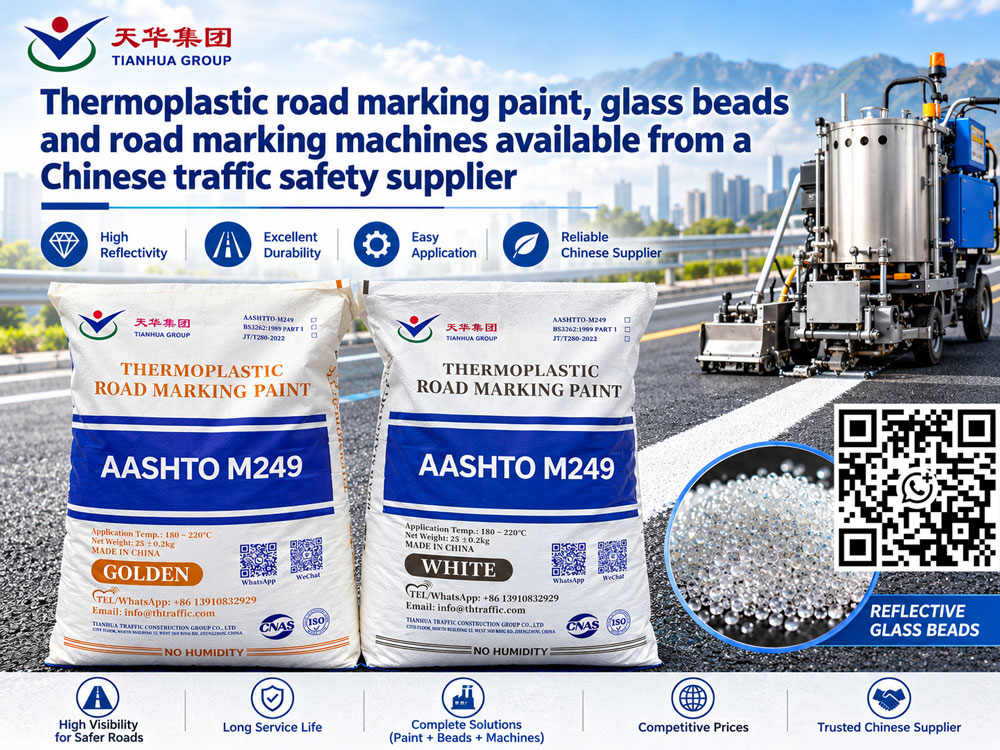
Tianhua Traffic Group supplies road marking paints, glass beads, road marking equipment and other traffic safety products. Buyers can use the official Tianhua Traffic website to review product categories and contact the international sales team.
4. Request a Detailed Quotation for Venezuela
Once the product list and technical requirements are clear, send the same inquiry to the suppliers you are evaluating. This makes quotations easier to compare.
A useful inquiry should include:
- Product names, specifications and required standards
- Quantities and colors
- Machine models or required operating functions
- Packaging and labeling requirements
- Destination city and intended port of arrival
- Preferred delivery schedule
- Required inspection and documentation
- Requested Incoterms rule and quotation currency
Ask suppliers to distinguish the product price from freight, insurance, handling and other applicable charges. Compare quotations using the same product specifications, delivery basis and payment conditions.
For example, an EXW quotation, an FOB quotation and a CIF quotation do not cover the same costs or responsibilities. The named place or port and the applicable Incoterms edition should be stated clearly in the quotation and contract.
Before committing to an order, also review the proposed production lead time, packaging plan and arrangements for resolving discrepancies between the order and the delivered goods.
5. Confirm Venezuelan Import Requirements Before Shipment
Venezuela's customs authority is SENIAT (Servicio Nacional Integrado de Administración Aduanera y Tributaria). Importers should work with their Venezuelan customs broker to confirm the requirements applicable to each product.
Do not assume that road marking paint, glass beads and road marking machines all have the same customs classification or regulatory requirements. The correct tariff classification depends on the specific product and its characteristics.
Confirm the customs classification
Provide the broker with each product's commercial description, intended use, composition or materials, model details where applicable, country of origin and technical documentation.
The broker should check the applicable tariff subheading, import duties, taxes, customs procedures and any required licenses, registrations or technical conformity documents.
Check the importer's readiness
Before the goods leave China, the Venezuelan importer should confirm that its business registration and tax information are valid for the transaction and that the appointed customs broker can handle the products.
If a product is subject to a special permit or technical regulation, confirm whether the relevant authorization must be obtained before shipment. Do not rely on a general import checklist to determine requirements for a specific tariff code.
The official SENIAT website is a starting point for Venezuelan customs information. Your local customs broker should confirm the current rules and procedures for the exact shipment.
6. Prepare the Export and Import Documents
The exact documents required depend on the goods, the shipping arrangement and the applicable customs rules. The following documents are commonly relevant to an international commercial shipment.
- Commercial invoice: Describes the products, quantities, prices, seller, buyer and agreed commercial terms.
- Packing list: Identifies the packages, quantities, weights and dimensions.
- Bill of lading: Provides the main transport record for an ocean shipment.
- Certificate of origin: May be required depending on the transaction, customs procedure or applicable origin requirements.
- Technical documents: May include product data sheets, test reports, manuals and other documents requested by the buyer or authorities.
- Additional permits or certificates: Required only when applicable to the specific product or shipment.
Check whether documents must be provided in Spanish or in a particular format. Confirm the requirements with the importer and customs broker before the shipment is dispatched.
The product descriptions, quantities, packaging details, declared values and transport information should be consistent across the commercial invoice, packing list and transport documents.
7. Arrange Sea Freight from China to Venezuela
For larger orders of road marking paint, glass beads and equipment, ocean freight is often worth evaluating. The appropriate shipping plan depends on shipment volume, cargo weight, packaging, destination, schedule and the buyer's budget.
Choose a suitable shipping arrangement
Full container load (FCL) may be suitable for larger shipments, while less than container load (LCL) can be considered for smaller consignments when available and commercially practical.
Ask the freight forwarder to confirm the departure port, destination port, available route, estimated transit time, local handling charges and any transshipment arrangements.
Review cargo handling and packaging
Thermoplastic paint, glass beads and machinery have different handling needs. Confirm packaging strength, palletization, moisture protection, cargo securing and container loading arrangements.
Thermoplastic paint should be stored and transported according to the manufacturer's instructions. If any material is classified as dangerous goods under the applicable transport rules, its classification, packaging and declaration must be confirmed before booking.
Agree on delivery responsibilities
Before booking, make sure both parties understand who pays for freight and insurance, who handles export clearance, who is responsible for import clearance and where the agreed delivery obligation is fulfilled.
The actual transport schedule should be confirmed with the freight forwarder at the time of booking. Transit times can change because of routing, vessel schedules, port conditions and customs procedures.
8. Complete Customs Clearance and Arrange Final Delivery
Once the shipment arrives in Venezuela, the importer or its appointed customs broker must complete the applicable import declaration and clearance procedures.
Before arrival, the buyer should have already reviewed the tariff classification, applicable duties and taxes, required documentation and any product-specific authorization.
After customs release, the importer can coordinate cargo collection and inland transportation to its warehouse, distribution center or project site.
For a multi-product order, keep a record of package counts, product labels, machine models and shipment documents. Compare the delivered goods with the purchase contract and packing list. Report shortages or visible damage promptly and retain relevant evidence.
A well-planned delivery process does not end when the vessel arrives. It includes customs coordination, cargo collection, receiving inspection and communication with the supplier if any discrepancy is identified.
9. Common Mistakes to Avoid When Importing Road Marking Products
- Choosing only by the lowest price. Compare equivalent specifications, packaging, documentation, delivery terms and quality requirements.
- Confirming the standard too late. Establish the required technical specification before production and before signing the contract.
- Ordering incompatible equipment. Check machine configuration, coating compatibility, heating requirements and available power or fuel options.
- Leaving customs checks until arrival. Ask the Venezuelan broker to review the exact products and tariff classification before shipment.
- Using unclear shipping terms. Specify the applicable Incoterms rule and named place or port in the quotation and contract.
- Accepting incomplete documentation. Confirm which commercial, technical and customs documents are needed before goods are dispatched.
10. Import Road Marking Paint and Machines with Tianhua Traffic
Tianhua Traffic Group supplies road marking paints, glass beads, road marking machines, preheaters and other traffic safety products. Buyers can submit a consolidated inquiry to discuss their required product categories.
For importers in Venezuela, a useful starting point is to prepare a list of products, quantities, technical standards, intended application and destination port. Tianhua's international sales team can then review the inquiry and discuss suitable product options and quotation arrangements.
For technical requirements such as AASHTO M249, provide the applicable project specification and required documentation so that the product proposal can be reviewed against the actual purchasing needs.
Planning a road marking project in Venezuela? Contact Tianhua Traffic Group with your purchasing list to discuss road marking paint, glass beads, equipment and international shipping arrangements.