
Why Local Road Marking Paint Passes Approval but Fails Under Traffic | Long-Term Performance Analysis
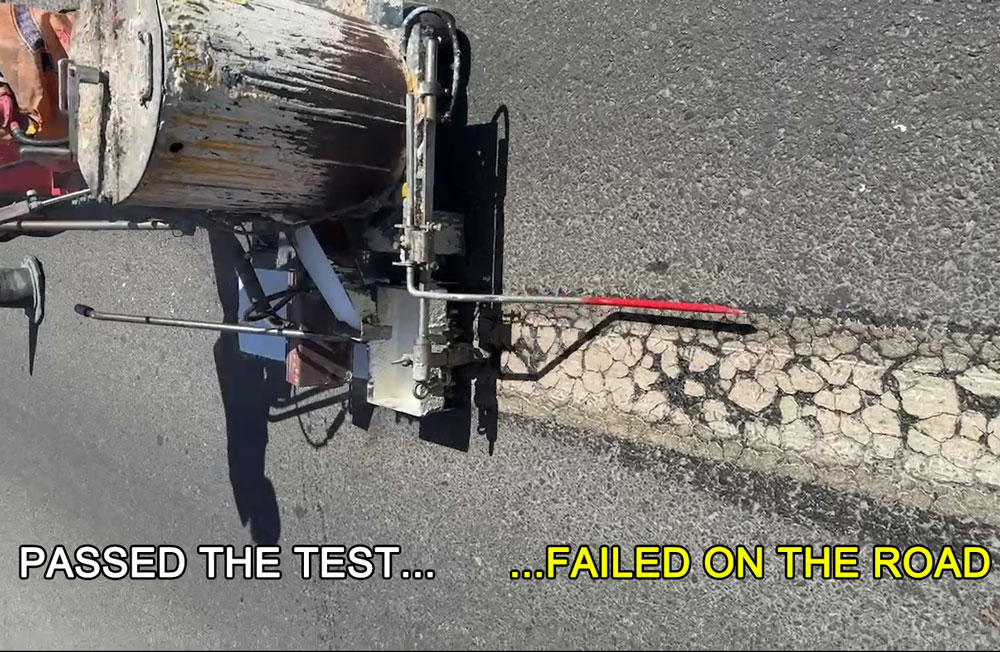
In many road projects worldwide, a familiar pattern keeps repeating: local road marking paint passes laboratory approval, yet fails within months after opening to traffic. Fading, bead loss, cracking, and peeling appear long before the expected service life ends.
This is not a coincidence. It is the result of structural weaknesses in how many local road marking paint suppliers operate.
The Approval Trap: Meeting the Test, Not the Road
Most approval processes focus on short-term laboratory indicators: softening point, color, glass bead content, and basic adhesion. Local manufacturers often formulate products to pass a single approval test, not to survive years of traffic loading.
Once production starts at scale, performance variability begins to surface — especially under heavy traffic, high temperatures, or wet conditions.
Why Local Road Marking Paint Suppliers Often Fail on Long-Term Performance
1. Batch-to-Batch Instability
Local factories frequently rely on opportunistic sourcing of resins, fillers, and additives. When raw material suppliers change — even slightly — performance changes dramatically.
- One batch passes inspection, the next wears twice as fast
- Glass beads detach due to inconsistent binder strength
- Softening point fluctuates, leading to deformation under traffic
Without strict batch control, approval does not guarantee consistency.
2. Lack of Systematic Raw Material Control
Many local suppliers do not operate with an industrial-grade raw material system. Instead, they purchase based on price availability rather than controlled specifications.
Common issues include:
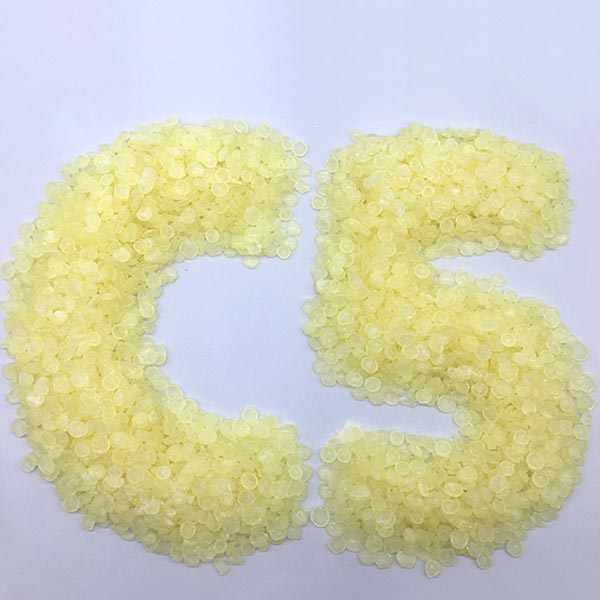
- Unstable hydrocarbon resins with varying molecular weight
- Inconsistent fillers affecting melt flow and wear resistance
- Glass beads without controlled gradation or coating quality
These weaknesses may not appear during approval testing but become critical under real traffic stress.
3. One Formula for All Projects
Local suppliers typically use a single “standard formula” for all roads:
- Urban roads and expressways
- Light traffic and heavy truck corridors
- Dry climates and tropical monsoon regions
Roads, however, do not behave the same. Without project-specific formulation, premature failure is inevitable.
The Hidden Cost of Repainting When Using Local Suppliers
The real cost of road marking paint is not the price per ton — it is the repainting cycle.
When markings fail early, project owners face:
- Repeated traffic closures and lane disruptions
- Higher labor and equipment costs
- Public complaints and safety risks
- Budget overruns far exceeding initial savings
What appears cheap at procurement often becomes the most expensive option over the road’s lifecycle.
Why Tianhua Takes a Different Approach
The performance gap between local suppliers and Tianhua Traffic Group lies in industrial discipline, not marketing claims.
Industrial-Grade Raw Material System
Tianhua operates with a controlled raw material framework:
- Fixed technical specifications for resins and fillers
- Long-term supplier partnerships
- Incoming material testing and traceability
This ensures that every batch performs the same — not just the first one.
Long-Term Consistency by Design
Consistency is engineered, not assumed. Tianhua’s production system is built to deliver:
- Stable softening point across batches
- Predictable wear resistance under traffic
- Reliable glass bead retention over time
This is why Tianhua materials are used repeatedly by contractors who cannot afford rework.
Project-Based Formula Management
Unlike local suppliers, Tianhua does not sell “one paint for all roads.”
Each project can be supported with:
- Climate-adapted formulations
- Traffic-load-specific wear design
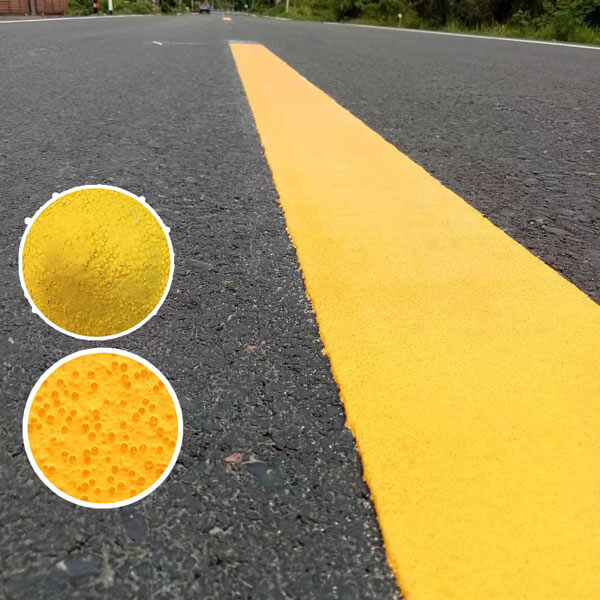
- Custom glass bead intermix ratios (10%, 20%, 30%)
- Surface bead systems matched to visibility targets
This project-based approach is what separates approval compliance from real-world performance.
Approval Is the Starting Point, Not the Finish Line
Passing approval means a paint can be used. Surviving traffic means it was engineered correctly.
For projects where long-term performance, safety, and lifecycle cost matter, Tianhua Traffic Group provides a fundamentally different solution — built on industrial raw materials, consistency, and project-specific formulation management.
For more information on long-term thermoplastic road marking solutions, please contact Tianhua Traffic Group through our official website.