
Thermoplastic Road Marking Turnkey Solutions | Design, Supply, Installation & O&M
By Alan Xie, International Projects Manager — Published: Dec 09, 2025
One-stop thermoplastic turnkey: what we deliver
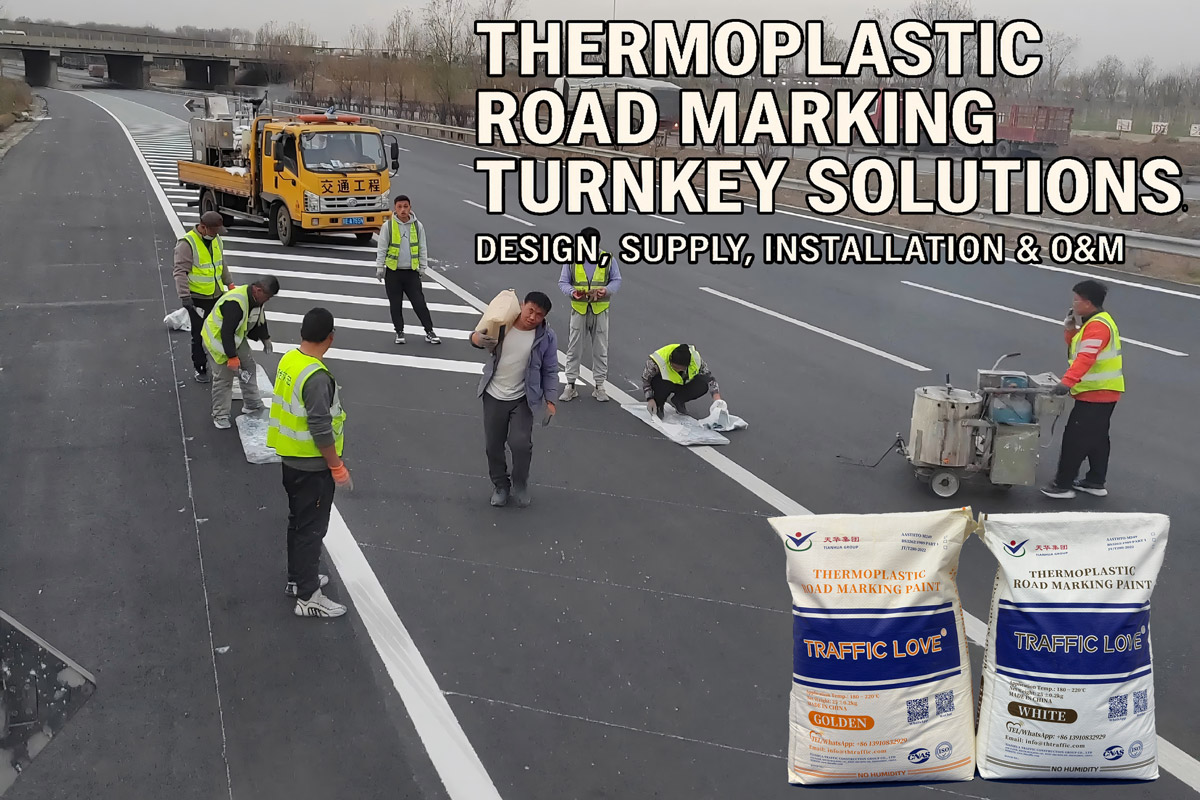
We provide complete turnkey packages for thermoplastic road marking so clients — highway authorities, EPC contractors and municipal works departments — can award one contract and expect a fully managed outcome. Our turnkey scope covers: preliminary site survey and traffic analysis; design of line geometry, symbols and high-build tactile profiles; supply of certified thermoplastic compound and glass beads; pavement preparation, application and curing; quality assurance testing and handover documentation; training for local crews; and a defined operations & maintenance (O&M) plan for the warranty period. Each phase is tracked against milestones, and we include evidence files (photos, test reports, instrument logs) as part of the final deliverable.
Why a turnkey model reduces project risk
When civil, electrical and traffic control trades are split among multiple contractors, handover delays and interface disputes are common. By taking responsibility for design, materials and application, we control the critical path: specifying the right thermoplastic grade, ensuring correct melt and extrusion parameters on site, and validating bead retention and retroreflectivity before acceptance. In practice this reduces rework, shortens road-closure windows, and lowers total lifecycle cost for owners.
Typical project workflow (practical steps we follow)
(1) Project mobilization and site survey with traffic counts and substrate assessment (grip testing on representative sections). (2) Design: line widths, thickness, airport/urban/expressway profiles and bead strategy (premix vs drop-on). (3) Materials: provision of AASHTO/EN/JT/T/SASO-compliant thermoplastic, glass beads and application consumables. (4) Pavement prep and priming where required. (5) Application using extruders, screed or hand-lay machines with in-line bead dispensers. (6) Field testing: thickness verification, adhesion test, retroreflectivity and skid resistance. (7) Training and handover with O&M manual and spare parts kit.
Real-world pilot example (practical credibility)
In a pilot we completed for a regional authority (pilot corridor: 6.2 km arterial, trial period: June–December 2024), the project used a 3.5 mm nominal thickness thermoplastic line with 15% premixed beads. Post-installation audits showed average initial RL 320 mcd/m²/lx and bead retention above 82% after accelerated wear tests. The client reported faster acceptance and saved an estimated two weeks of road-closure time compared with their previous multi-supplier approach. We share such pilot data with tendering authorities to illustrate expected performance under local traffic conditions.
Technical choices we make (and why)
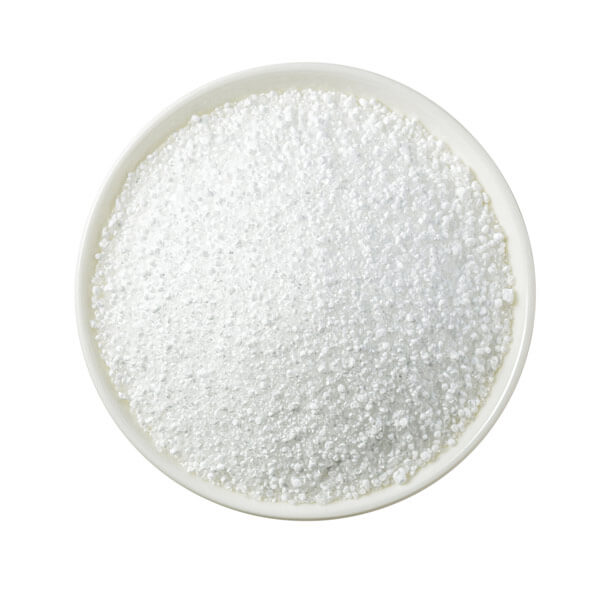
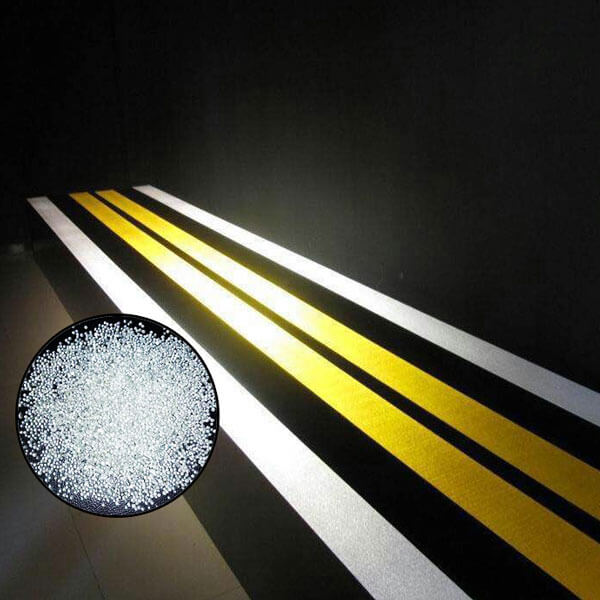
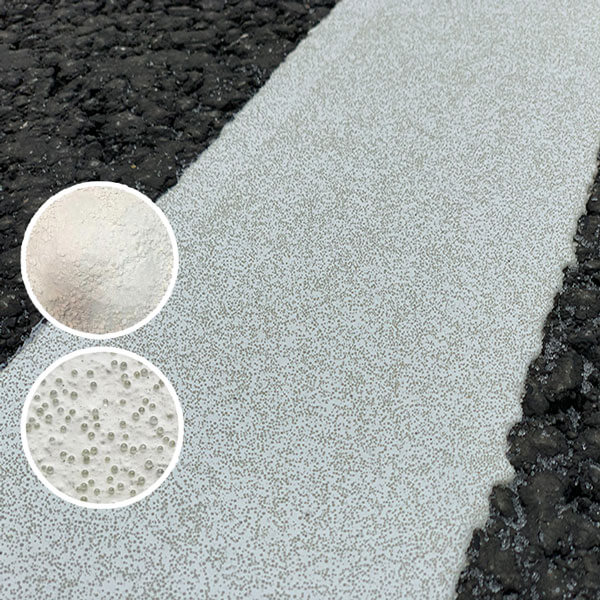
Material selection is mission critical. We specify thermoplastic blends by resin type, pigment stability and filler matrix to suit climate and pavement type. Typical application temperature range is 180–210°C; target in-place thickness is 1.5–4.0 mm for standard lane lines and 3–6 mm for symbols or high-wear applications. Bead strategy may be 15–30% premix for airports and high-speed corridors, or drop-on at 300–400 g/m² for urban lanes — choices depend on retention targets and maintenance planning. On cold mornings we recommend pre-warming equipment and increasing resident melt time to avoid shrinkage; on very hot surfaces we schedule work in early hours to prevent rapid skin formation and bead embedment issues.
Quality assurance & acceptance testing
We deliver a QA pack with each turnkey job: material batch certificates, melting logs, in-situ thickness checks, adhesion pull tests, skid resistance (BPN), and retroreflectivity reports. For tenders that reference standards (AASHTO M249, EN 1871, JT/T280, SASO), we provide clause-level test evidence and can arrange third-party lab verification on request. Acceptance is data-driven: documented test values must meet agreed KPIs before formal handover.
Maintenance & warranty — practical arrangements
Standard warranty covers 24 months for material and workmanship; extended SLAs are available for multi-year maintenance with defined KPIs (annual inspection intervals, repaint triggers based on RL thresholds, spare parts pool for applicator consumables). We provide training to local maintenance teams and a starter kit of spare nozzles, bead dispensers and sample thermoplastic for touch-ups.
Commercial models: supply, OEM, distributor & JV
We offer three pragmatic commercial routes: (1) Turnkey contractor supply: we deliver the full package and act as prime contractor. (2) OEM supply + technical assistance: your organization sources materials under private label while we supply formula, QA and on-site commissioning. (3) Joint-venture/local production: long-term partners seeking to reduce landed cost can form a JV for regional blending and bagging — we transfer formula knowledge, QC systems and training. For distributors we operate a ship-first policy for qualified partners and maintain friendly credit terms tied to project milestones to ease cash flow.
Factory price & supply details (transparent baseline)
| Item | Details / Typical Offer |
| Thermoplastic (standard grade) | USD 270 – 450 per ton FOB (volume & resin % dependent) |
| Thermoplastic (premium airport/high-resin) | USD 480 – 700 per ton FOB |
| Glass beads (drop-on) | USD 550 – 1,000 per ton depending on RI and grading |
| Premix (30% beads) | USD 470 – 550 per ton (premixed product) |
| MOQ | 1 × 20ft container (~18–20 tons) typical; pilot sample bags available |
| Annual supply capacity | 50,000 – 80,000 tons (expandable via JV) |
| Lead time | 7–21 days after order confirmation; expedited for domestic stock |
| Turnkey service (materials + application) | Price by project: indicative mobilization + unit rate per linear km; formal quote after site survey |
Practical procurement tips (from site teams)
Ask bidders to include: proposed profile geometry, bead specification (RI & size), sample test reports from a recent project, a clear acceptance test protocol and a training day for local applicators. On contracts, include a short pilot (500–1,000 m) as a contractual milestone — it reduces later disputes and confirms performance under local conditions.
Why owners and contractors choose our turnkey offering
We combine factory-direct material supply with experienced application teams and a projectized approach to delivery. That combination removes guesswork at interfaces, speeds up approvals, and produces consistent field performance. For infrastructure owners this means faster time to benefit and lower whole-life cost; for contractors it means a single accountable supplier for materials and application expertise.
Next steps & call to action
If you are preparing a tender or planning a maintenance program, send us: project location, estimated linear km, pavement type and expected traffic class. We will return a tailored proposal including a pilot pack specification, a recommended material choice, and an indicative turnkey price schedule within 48 hours. For JV enquiries, include projected annual volumes and preferred local partners and we will propose setup and cost models.