

Audio Tactile Pavement Markings (ATPM) Paint — Thermoplastic & MMA Solutions | Factory Supply & OEM
What are Audio Tactile Pavement Markings (ATPM)?
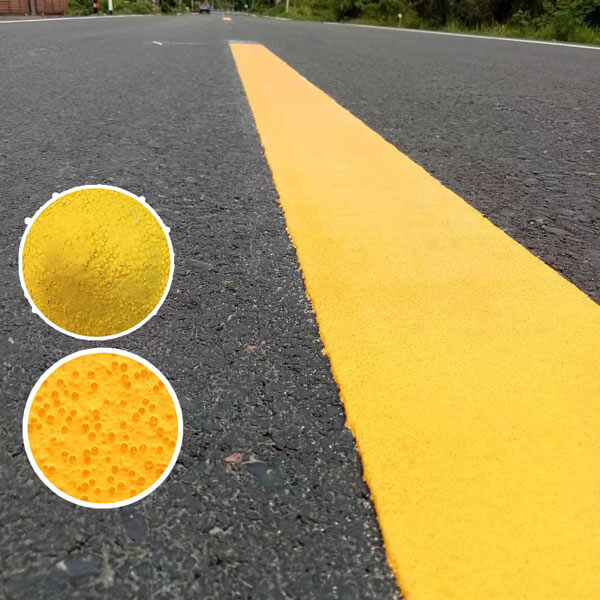
Audio Tactile Pavement Markings (ATPM) are raised, high-build road surface markings designed to produce audible and tactile feedback when vehicles pass over them. Also referred to as rumble strips or vibration markings, ATPM improves road safety by alerting distracted or fatigued drivers, enhancing wet-night visibility, and increasing skid resistance.
ATPM Materials & System Types
Primary ATPM solutions include:
• Thermoplastic ATPM (hot-melt): high-build thermoplastic compounds formulated to create raised profiles (3–10 mm) applied by extrusion or screed machines.
• MMA (Methyl Methacrylate) / Cold Plastic ATPM: two-component or cold-applied systems offering excellent adhesion and long service life without heating.
• Preformed Profile Tape: factory-made raised profiles bonded to pavement, suitable for quick-install or localized use.
Key Technical Benefits
• Audible warning and tactile vibration to reduce lane-departure crashes.
• Enhanced wet-night visibility when combined with reflective glass beads.
• High skid resistance and surface texture for safety critical zones.
• Durable performance under heavy traffic, snowploughs, and harsh climates when properly specified.
• Flexible application options: extrusion, screed, spray, or hand-applied profiles.
Typical ATPM Performance Specifications
Typical engineering targets for ATPM products (project-specific validation required):
• Build thickness: 3–10 mm (typical 4–6 mm for highways).
• Initial retroreflectivity (with beads): 250–500 mcd/m²/lx.
• Skid resistance: ≥ 45 BPN (per project specification).
• Durability: 24–48 months under heavy traffic; MMA variants may exceed 48 months.
• Application temperature (thermoplastic): 180–210°C; avoid overheating above 220°C.
• Glass bead retention: > 80% retention after simulated wear testing (where premix used).
Applications & Recommended Use Cases
• Highway edge line or centerline rumble strips.
• Approach zones to intersections, toll plazas, and tunnel portals.
• Dangerous curves, steep descents, and fatigue-prone long-distance corridors.
• Bridge approaches, motorway ramps, and merge lanes.
• Airport taxiways, service roads, and maintenance areas (with aviation-specified formulations).
Factory Supply, OEM & Technical Support
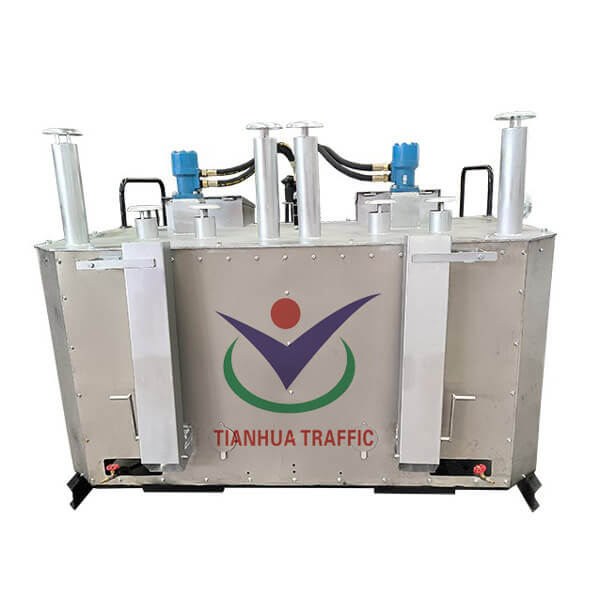
We supply ATPM compounds and premixed options with factory-direct pricing, technical datasheets, and on-site application training. OEM private-label production is available for distributors and contractors. Technical support includes formula selection (thermoplastic vs MMA), bead selection, recommended profile geometry, and machinery calibration for consistent application.
Distributor Recruitment Policy
To expand global ATPM availability we recruit qualified distributors and contractors with the following commercial support:
• Ship-first policy for vetted partners to accelerate initial market entry.
• Friendly credit terms aligned to tender payment schedules and project cycles.
• Technical training, marketing materials, and tender support documentation.
• Regional exclusivity for high-performance partners meeting volume targets.
• Sample packs and pilot-batch pricing for trial installations.
Joint-Venture & Local Production Opportunities
For regions with sustained ATPM demand we offer joint-venture partnerships to establish local blending, premix, or packaging facilities. JV partners receive formula licensing, equipment selection support, QC protocols, and technician training to ensure local production meets project and regulatory standards.
Application Guidance & Best Practices
• Surface preparation: clean, dry, and free of oil/loose material; repair major cracks and potholes prior to application.
• Heating & mixing (thermoplastic): maintain stable temperature within recommended range; avoid prolonged overheating.
• Profile geometry: typical ridge width 20–40 mm, height 3–7 mm, spacing 200–500 mm depending on standard and speed environment.
• Bead application: drop-on or premix depending on retention needs; adjust bead size and refractive index per visibility targets.
• Quality control: perform field verification of thickness, adhesion, reflectivity, and skid resistance during pilot runs.
Health, Safety & Environmental Considerations
• Use appropriate PPE (gloves, eye protection, respiratory protection for fumes).
• Control exhaust and fume exposure during heating; implement local ventilation and monitoring.
• MMA systems require handling of reactive components—train applicators for safe mixing and curing.
• Offer low-VOC and environmentally optimized formulations where regulatory or client demand exists.
Factory Price & Supply Details
| Product | Thermoplastic ATPM / MMA ATPM / Preformed Profile |
| Price Range (FOB) | Thermoplastic ATPM: USD 350 – 800 per ton; MMA ATPM: USD 1.2 – 2.5 per kg; Preformed Profile Tape: USD 2.0 – 4.0 per linear meter (depending on profile) |
| MOQ | Thermoplastic: 1 × 20ft container (~18–20 t); MMA: 500–1000 kg; Tape: 500–1000 m |
| Packaging | 25–30 kg meltable bags (thermoplastic); 25 kg drums (MMA components); coils or reels for profile tape |
| Supply Capacity | Factory baseline 10,000+ tons/year (thermoplastic); scalable with JV or contract production |
| Lead Time | 7–21 days depending on product and certification needs |
| OEM / Private Label | Available for all ATPM product lines |
Why Contractors & Road Authorities Choose Our ATPM Solutions
• Purpose-built formulations for audible/tactile performance and long-term durability.
• Proven bead retention and night-visibility when required.
• End-to-end support: product selection, pilot testing, application training, and long-term supply.
• OEM flexibility and JV options to reduce landed cost and improve tender competitiveness.
Call to Action
For technical datasheets, sample trials, OEM pricing, or partnership discussions for ATPM paint and systems—provide your project location, typical traffic loading, and target application (edge line, centerline, approach zone). We will supply tailored technical guidance, pilot-batch proposal, and formal quotation.