
Afghanistan Import Logistics 2026 | Road Marking Paint Supplier | Tianhua Group
Afghanistan Import Logistics in 2026: Routes, Risks & Opportunities for Road Marking Paint Suppliers
1. Afghanistan: A Landlocked Market Full of Opportunity
Afghanistan is one of the most infrastructure-dependent import markets in the world. As a landlocked country, nearly all goods—including construction materials, fuel, and thermoplastic road marking paint—must enter through neighboring countries.
With imports exceeding $12 billion annually, the demand for infrastructure materials such as road marking paint, glass beads, and raw materials continues to grow rapidly.
- Highway construction
- Urban road development
- Airport projects
- Government infrastructure programs
2. The Core Problem: No Direct Sea Access
Afghanistan has no seaport, which means every shipment must follow a multi-modal logistics chain:
Sea → Port → Truck / Rail → Afghanistan
This leads to higher costs, longer delivery times, and strong dependence on geopolitical conditions.
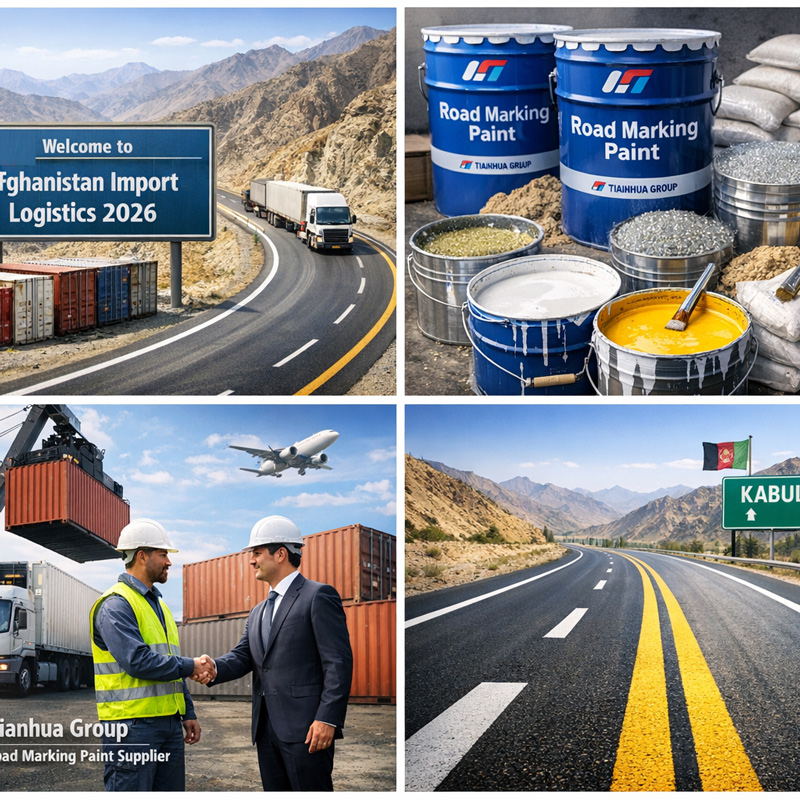
3. Three Major Import Routes to Afghanistan (2026)
Route 1: Pakistan Corridor (Low Cost, High Risk)
Route: China → Karachi → Truck → Afghanistan
- Lowest transportation cost
- Short transit time
- Historically dominant route
Challenges:
- Border closures
- Political instability
- Customs delays
Conclusion: Still usable, but reliability is uncertain.
---Route 2: Iran Corridor (Mainstream but Unstable)
Route: China → Bandar Abbas / Chabahar → Truck → Afghanistan
- Previously stable and widely used
- Reduced dependence on Pakistan
- Strong logistics infrastructure
Current Risks (2026):
- Regional conflict in Iran
- Shipping disruptions
- Rising insurance costs
Conclusion: Main route, but currently high risk.
---Route 3: Central Asia Corridor (Stable but Expensive)
Route: China → Railway → Uzbekistan / Turkmenistan → Truck → Afghanistan
- More politically stable
- Growing trade volume
- Suitable for long-term cooperation
Disadvantages:
- Higher logistics cost
- Multiple transshipments
Conclusion: Best long-term strategic option.
---4. Rail Transport: Myth vs Reality
There is currently no fully operational direct railway from China to Afghanistan.
Rail transport can reach Central Asia or border cities, but final delivery always depends on trucking due to the limited railway network inside Afghanistan.
Conclusion: Rail is a supplementary option, not a complete logistics solution.
---5. Logistics = Competitive Advantage
In most markets, suppliers compete on price and quality. In Afghanistan, the real competitive advantage is logistics expertise.
- Route flexibility
- Risk management
- Delivery reliability
Understanding logistics is key to winning customers in this market.
---6. Demand for Road Marking Paint in Afghanistan
With ongoing infrastructure development, demand for road marking materials continues to increase:
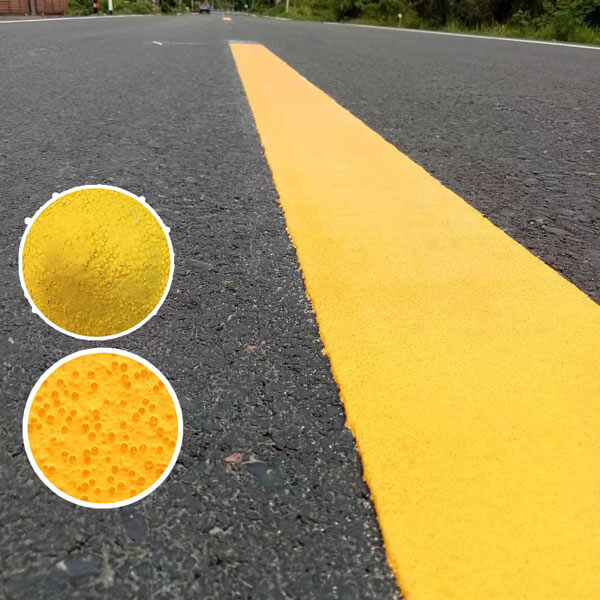
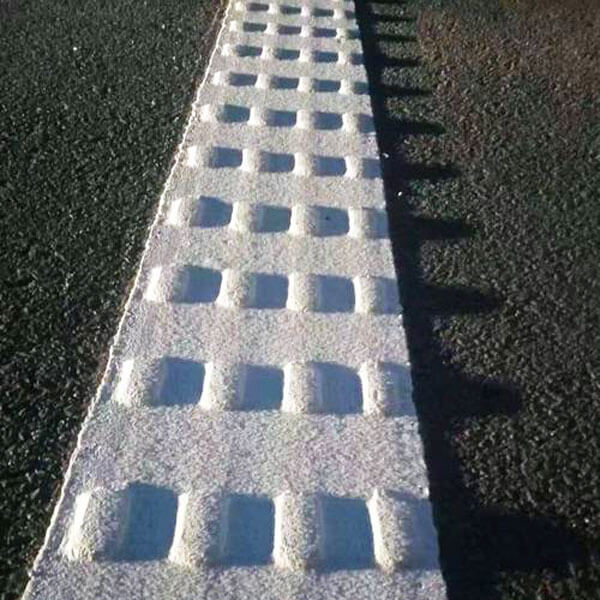
- Thermoplastic road marking paint
- Reflective glass beads
- MMA and cold paint systems
Due to the lack of local manufacturing, Afghanistan relies heavily on imports.
---7. Why Local Production is the Future
Key challenges driving localization:
- High logistics costs
- Unstable transport routes
- Import dependency
The future trend is clear: local manufacturing.
---8. Tianhua Group Strategy: Build Local, Win the Market
Tianhua Group is a leading Chinese manufacturer of thermoplastic road marking paint, providing high-quality products that meet international standards such as BS, EN, and AASHTO.
We Are Looking for Afghan Partners
We are actively seeking cooperation with:
- Local distributors
- Construction companies
- Government contractors
To establish a joint venture factory in Afghanistan.
---Why Joint Production?
For Afghan partners:
- Lower costs
- Faster delivery
- Higher profit margins
For Tianhua Group:
- Market expansion
- Stable supply chain
- Long-term growth
What We Provide
- Production technology
- Raw material supply system
- Equipment support
- Technical training
- International certifications
9. Final Conclusion
Afghanistan import logistics is shifting toward a multi-route system:
- Pakistan → Low cost, high risk
- Iran → Mainstream, but unstable
- Central Asia → Stable, but expensive
The biggest opportunity lies not only in exporting products, but in building local production capacity.
---10. Contact Us
If you are looking for a reliable road marking paint supplier or interested in building a factory in Afghanistan:
Tianhua Group welcomes your cooperation.
Let’s build Afghanistan’s road infrastructure together.