
Thermoplastic Road Marking Paint for Road Contractors — Philippines & Indonesia
This page explains what highway contractors in the Philippines and Indonesia should know when sourcing thermoplastic road marking paint: the applicable standards and regulators, the suppliers commonly used in each market, the practical advantages and risks of importing from China, and pragmatic options for local distribution, JV factory setup and OEM supply. The focus is on compliance, long-term performance, and tender-readiness.
Regulatory bodies and primary standards — Philippines
The primary regulator for road works (including pavement marking specification) in the Philippines is the Department of Public Works and Highways (DPWH). Thermoplastic pavement marking requirements are routinely referenced to DPWH Department Orders (for example DO No. 103, s.2013 and DO No. 202, s.1992) and the DPWH Standard Specifications for Highways, Bridges and Airports. Contractors should ensure product test reports and batch certificates explicitly reference these DPWH clauses when bidding.
Regulatory bodies and primary standards — Indonesia
In Indonesia the Ministry of Public Works and Housing (PUPR) governs road works and issues technical guidance; the national standards (SNI) and project-specific technical specifications (often referencing SNI 06-4826-1998 or similar clauses on thermoplastic materials and SNI on glass beads) are the core compliance documents for thermoplastic marking materials. Contractors must align material composition, bead grading and application method with SNI or the PUPR technical specification referenced in tender documents.
Typical technical expectations in local tenders
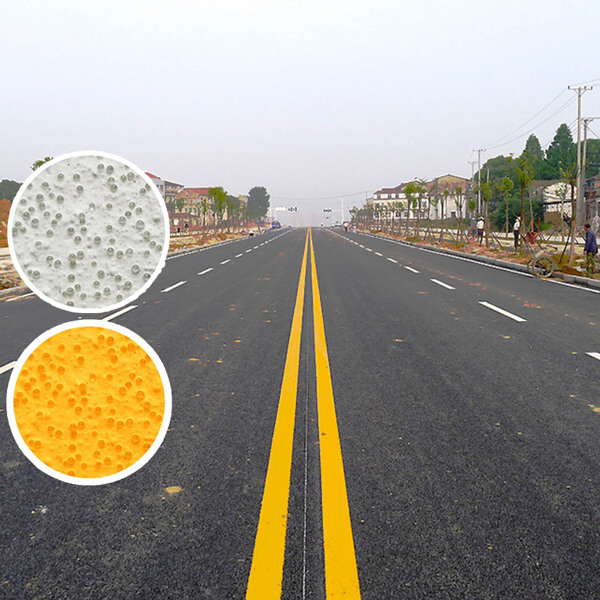
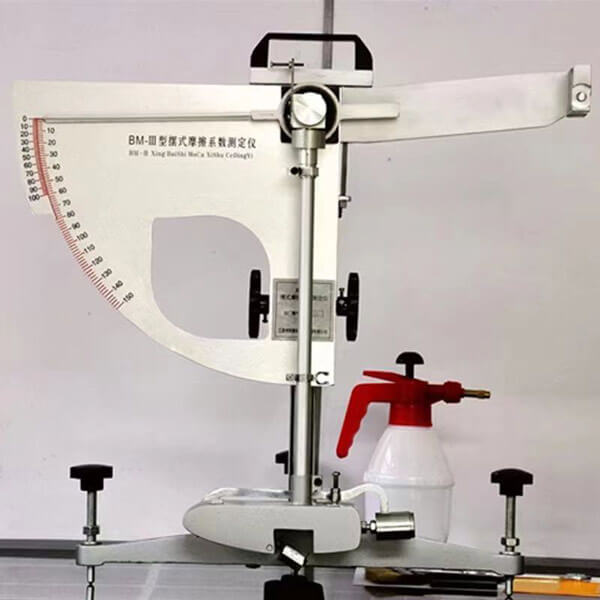
Common, proof-bearing tender requirements across both markets include: minimum dry film thickness for solid lines (often ≥ 3.0–3.2 mm for enforcement grade lines), recommended application temperatures (typically 180–210°C), glass bead refractive index (commonly ≥ 1.50), bead dosage (drop-on and/or premix rates specified in g/m² or % by weight), and skid-resistance (BPN/SRT thresholds). Always verify the exact clause numbers in the tender.
Who suppliers commonly buy from (local market snapshot)
Philippines — well-known local manufacturers and system suppliers include specialized domestic producers and applicator-integrators who also offer machine hire and technical services; several established local names and regional players supply DPWH tenders and private developers. Examples of active local suppliers and applicators with nationwide distribution include companies such as Rua Seguridad and Universal/Boler local distributors — they supply thermoplastic compounds, beads and on-site application services. Working with an experienced local supplier reduces tender risk because they understand DPWH acceptance testing and site logistics.
Indonesia — suppliers range from domestic producers to regional importers and China-based OEM brands. Local firms and international brands supplying thermoplastic paint, beads and marking equipment are active across Java and Sumatra; contractors commonly source both “factory-direct” imports and local-stock products depending on lead time and tender rules. Project case references (e.g., Kalimantan upgrades) show thermoplastic as default for high-speed corridors.
Why contractors still import from China — practical advantages
Importing thermoplastic road marking paint from China remains attractive for many contractors and distributors in the Philippines and Indonesia because:
• Cost competitiveness: Chinese factory prices are often lower than local production for equivalent resin & bead content, especially for premium bead premix formulations.
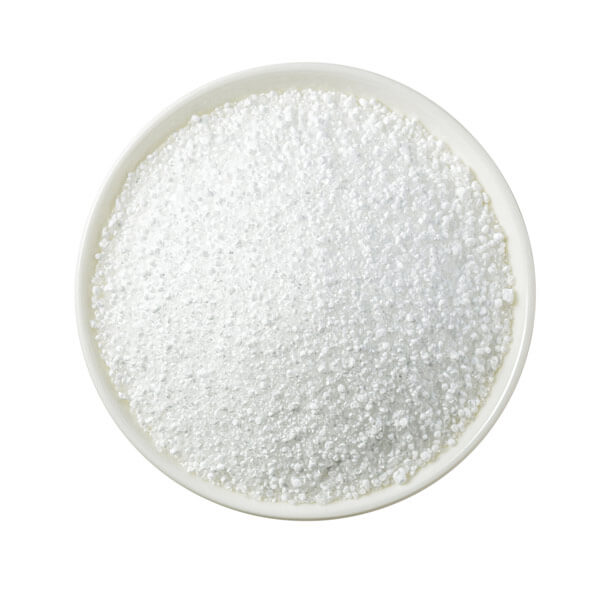
• Wide product range: Chinese manufacturers commonly offer a broad portfolio (standard grades, high-resin airport grades, 10/20/30% premix beads, ATPM/rumble formulations) which helps meet diverse tender specs quickly.
• Scalability & MOQ flexibility: exporters can supply small pilot batches and scale to container orders for large tenders.
• OEM & JV readiness: many Chinese suppliers support private-label packaging, formula tuning for specific climates, and technical transfer for local blending or JV production.
These advantages reduce landed cost and speed procurement, but contractors must manage quality control, customs/clearance, and ensure third-party testing to satisfy tender rules.
Key procurement risks & mitigations
Import risks include: wrong formulation for local climate, inconsistent bead grading, transport damage, and acceptance test failures at site. Mitigations that work in practice:
• Require batch test reports and an independent third-party lab certificate before shipment.
• Insist on sample pilot runs (e.g., 500–1,000 m) as contractual milestones.
• Use premix + drop-on strategy specified in the tender and confirm bead RI and roundness in reports.
• Choose suppliers offering on-site technical support and spare parts for applicator machines.
Distributor recruitment & commercial policy (recommended model)
To grow market share while protecting partners, Tianhua proposes this distributor policy for Philippines & Indonesia:
• Ship-first for qualified partners: initial shipments on credit for vetted distributors for government tenders where trust is proven.
• Friendly credit terms: project-aligned payment schedules (milestone payments, post-acceptance terms).
• Technical & marketing support: supply of datasheets, MSDS, application guides, test-report templates and tender pack help.
• OEM / private-label: support for private branding and packaging for distributors who win local tenders.
• Regional exclusivity: territory protection for partners committing to minimum annual volumes.
Joint-venture (JV) & local plant considerations
For medium-to-long term supply security, a JV or local blending facility is attractive in both countries. Practical steps:
1) Conduct a market volume study (3–5 year forecast) and identify major local tenders and maintenance cycles.
2) Design a small-to-medium plant (3,000–12,000 t/yr initial) with mixing, premix bead line, bagging and QC lab.
3) Use Tianhua formula transfer and initial raw material supply at competitive pricing; train local staff during commissioning.
4) Local packaging reduces landed cost and improves tender competitiveness (local content requirements often favor this model).
Factory price & supply details — indicative baseline (FOB China / CIF Manila or Jakarta typical)
| Product | Typical Price Range | Notes |
| Standard Thermoplastic (White) | USD 270 – 480 / ton | Standard resin grades for municipal & highway use |
| Premium Thermoplastic (High-resin / airport) | USD 480 – 700 / ton | Higher binder %, greater durability and RL |
| Premix Reflective (10% / 20% / 30%) | USD 350 – 950 / ton | Price rises with bead quality and % premix |
| Glass beads (drop-on, RI 1.50 / 1.60) | USD 180 – 420 / ton | Coated moisture-resistant beads cost more |
| MOQ | Sample bags or pilot packs; 1×20ft container (≈18–20 t) | Smaller trial orders usually negotiable |
| Lead time | 7–21 days after order confirmation | Depends on volume & certification needs |
Practical on-site advice for contractors
• Always perform a small acceptance panel and measure RL, thickness and bead retention before full works.
• For tropical climates (high humidity and heavy rain) prefer higher premix ratios (20–30%) and moisture-resistant coated beads.
• For fast-turnaround urban works, specify thermoplastic with faster melt-flow and controlled drying to reduce road closure windows.
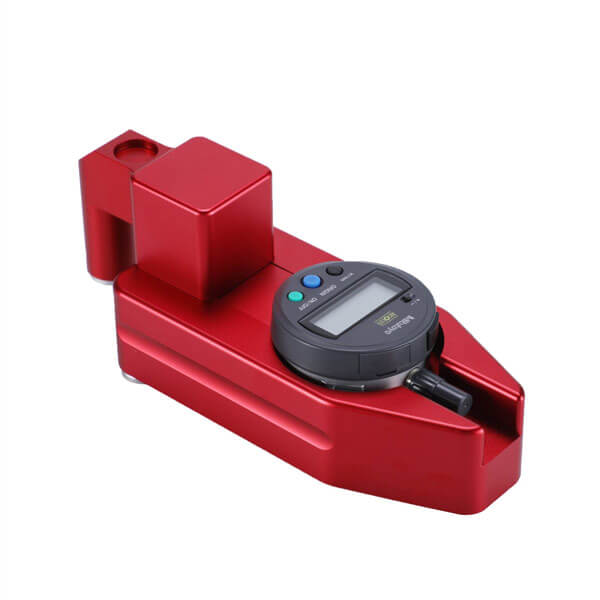
• Keep spare nozzles, bead dispensers and a small QA kit (portable retroreflectometer, thickness gauge) on site for immediate checks.
References & recommended reading
Philippines DPWH specifications and DO references (DPWH DO No. 103 s.2013 and DO No.202 s.1992) contain explicit thermoplastic and bead dosage clauses used in tenders. For practical supplier and product references in the Philippines see established local producers and applicators. For Indonesia, consult SNI technical guidance and PUPR project documents that reference SNI and AASHTO-related clauses.
Call to action
If you are a contractor, distributor or government buyer preparing a tender in the Philippines or Indonesia, Tianhua can provide: formal compliance test reports, pilot sample packs, OEM packaging, and JV factory proposals. Send project location, estimated linear km, required standards and expected annual quantity — we will return a tailored proposal, sample technical files and indicative pricing within 48 hours.