
DPWH-Approved Thermoplastic Road Marking Paint Specifications (Philippines) | TIANHUA Traffic
For contractors, distributors and material suppliers working in the Philippines, compliance with the Department of Public Works and Highways (DPWH) standards for reflectorized thermoplastic pavement markings is essential. The correct specification ensures durability, safety, and long-term value for road marking projects under hot, humid, and heavy traffic conditions. As a trusted manufacturer and exporter, TIANHUA Traffic provides thermoplastic road marking paints that meet or exceed DPWH requirements.
1. Governing Documents & Standards
The relevant standards include:
- DPWH Department Order No. 202 series of 1992 — “Reflectorized Thermoplastic Pavement Markings Standard Specifications”.
- DPWH Department Order No. 103 series of 2013 — “Standard Specification for Item 612: Reflective Thermoplastic Stripping Materials (Solid Form)”.
- Bid/contract documents reference: typical thickness ≥ 3.20 mm for thermoplastic stripes, glass bead dosage not less than 350 g/L.
2. Key Material & Performance Requirements
Here are the main material and performance criteria you must verify when supplying or procuring thermoplastic road marking paint in the Philippines:
| Parameter | Specification |
| Minimum dry film thickness (DFT) | ≥ 3.20 mm for solid lines (e.g., centre line, edge line). |
| Stripe width examples | 100 mm, 150 mm typical (e.g., edge line 150 mm width at 3.20 mm thickness). |
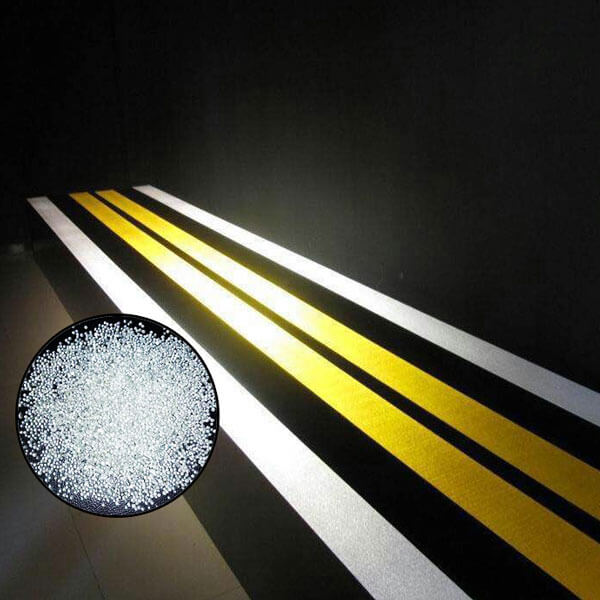
| Glass bead drop dosage | Not less than 350 g per liter of molten thermoplastic applied. |
| Glass bead refractive index (RI) | Typically ≥1.50 and roundness ≥90% (per local practice). |
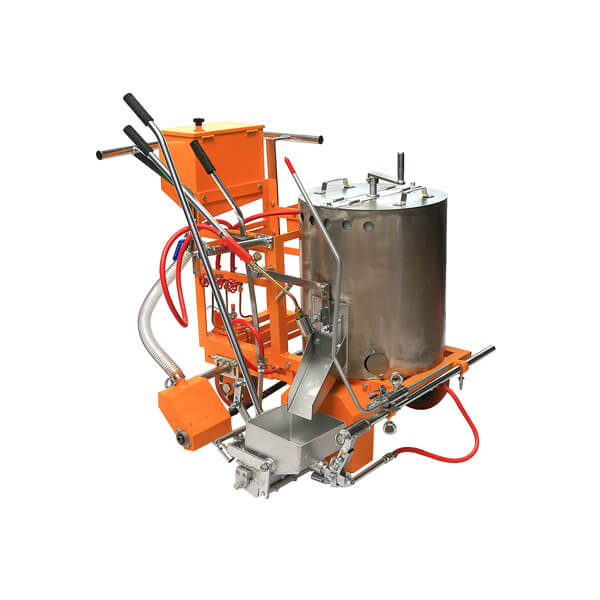
| Heating/Application temperature | Molten state application by mechanical means; typically around 180-220 °C for hot-melt thermoplastic. |
| Material composition | Thermoplastic powder or granule formulation containing resin (C5 or higher grade), fillers (CaCO₃), waxes, glass beads, titanium dioxide. |
3. Why These Specifications Matter
Philippines’ climate — high temperatures, heavy rainfall, and humid tropical conditions — places extra demands on road marking materials. Adhering to DPWH’s specifications ensures:
- Longevity: Adequate thickness and proper glass bead embedment help maintain reflectivity and wear resistance over 3-5 years.
- Safety at night: Proper dosage of glass beads ensures markings remain highly visible even under rain or low-light conditions.
- Compliance for tenders: Many DPWH projects and local government bids mandate compliance with DO 202 or DO 103 — non-compliant paints could lead to rejection or re-work.
4. Procurement & Installation Tips
If you are sourcing thermoplastic road marking paint for Philippine projects, consider the following:
- Ensure the supplier provides documentation showing compliance with DPWH specification (DO 103 S2013) and relevant tests (density, softening point, reflectivity, bead dosage).
- Verify batch-to-batch consistency with test reports or third-party lab results; sub-standard paints often use lower-grade resin or beads, shortening service life.
- Choose manufacturers with export experience and full technical support, such as TIANHUA Traffic, which offers tailored formulations for tropical climates and project-specific packaging/OEM.
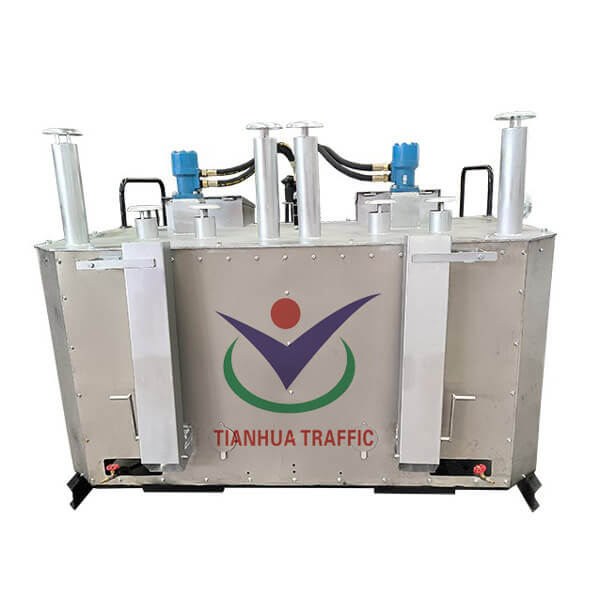
- Check installation equipment and process: ensure application temperature control, proper surface cleaning, correct bead drop rate, and thickness verification using gauges or destructive test panels.
- Look for total lifecycle cost: a higher initial material cost may be offset by fewer re-markings, lower labor and machine downtime, especially in high-traffic zones.
5. Why TIANHUA Traffic Is Your Trusted Partner
With decades in manufacturing thermoplastic road marking materials and exporting to Southeast Asia, Africa and the Middle East, TIANHUA Traffic supplies DPWH-compliant thermoplastic paint that:
- Meets or exceeds DPWH DO 103 S2013 and DO 202 S1992 requirements.
- Is available with flexible OEM/private label options, custom colors, and packaging for Filipino distributors or contractors.
- Offers factory-direct pricing and global logistics support, making it cost-effective for import and large tender projects in the Philippines.
6. Conclusion
For Philippine road marking tenders and contracts under DPWH specifications, aligning with DO 202 and DO 103 standards for reflectorized thermoplastic pavement markings is critical. Using compliant materials ensures durability, visibility and value. By partnering with a manufacturer such as TIANHUA Traffic, project stakeholders can secure high‐performance thermoplastic paint that fulfils all regulatory requirements and reduces maintenance risks.
Contact TIANHUA Traffic today for full specification sheets, sample material packs, and OEM supply information for the Philippines market.